Metallica’s upcoming Sin City takeover has us fondly recalling…
California’s 5 Most Legendary ‘Tallica Tour Stops
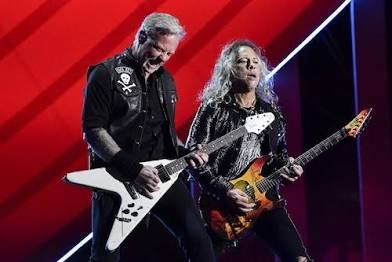
California’s greatest heavy metal export, Metallica is gearing up to ignite the Vegas Strip with their 2026-2027 residency at the Sphere, dubbed “Life Burns Faster.”
From October 1 through March 13, 2027, the band will perform 24 dates. And to make a stellar event even more awesome, the showcase features a “No Repeat Weekend” setlist and immersive visuals for a one-of-a-kind experience inside what is unarguably Sin City’s coolest new concert venue.
As the excitement builds for ‘Tallica’s Las Vegas gigs, it’s worth looking back at some of Metallica’s most unforgettable California performances— shows and venues that shaped the band, rocked fans, and created pure heavy metal mythology right here in the Golden State.
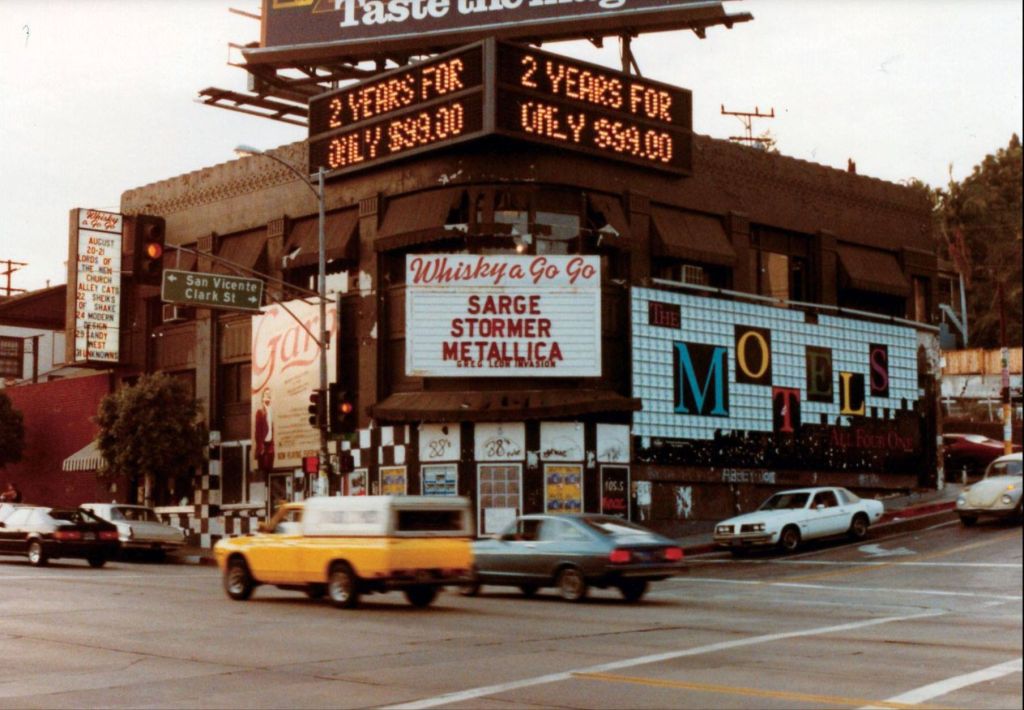
1. The Whisky A Go-Go Debut (1982)
On March 27, 1982, at the world-famous Whisky A Go-Go on the Sunset Strip, a rare musical moment would cement Metallica’s place in the L.A. metal scene and eventually the entire planet.
Two sets featured early classics like “Hit the Lights,” “Jump in the Fire,” and “The Prince.” And, for the first time, “Metal Militia” live. This was before studio polish and global fame—just pure, thrash-metal glory!
The Whisky isn’t just a venue. It’s a proving ground, and Metallica slayed it.
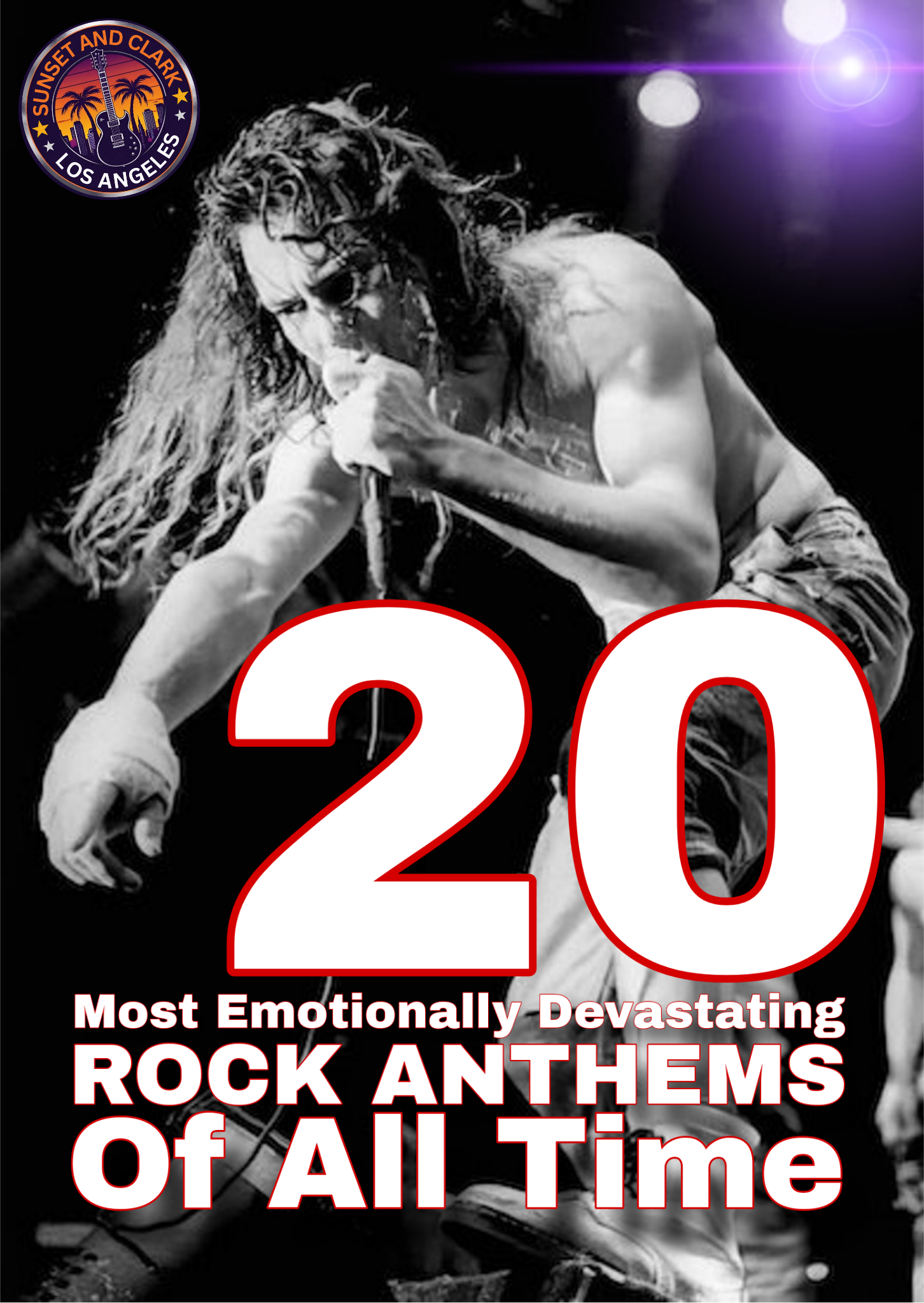
From R.E.M.’s ‘Everybody Hurts’ to GN’R’s ‘Sweet Child o’ Mine’ and Zep’s ‘Stairway to Heaven,’ these aren’t just ballads—they’re emotional gut punches wrapped in melody and distortion.
Sunset & Clark rounds up 20 slow-burning anthems that hit as hard as any riff in your metal playlist. Because sometimes, the heaviest thing in rock isn’t the volume, it’s the vulnerability.
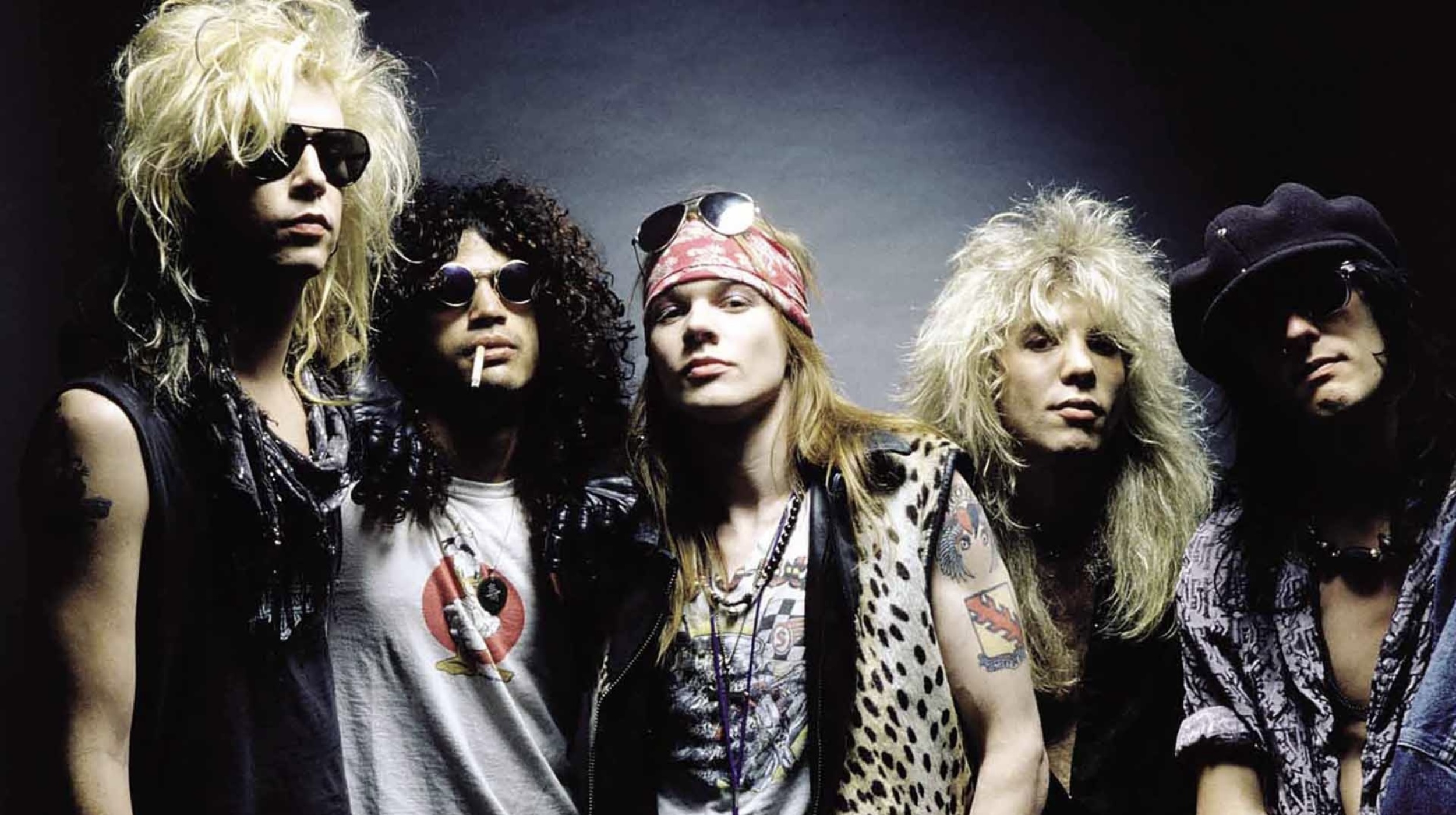
#1: ‘Sweet Child o’ Mine’ – Guns N’ Roses
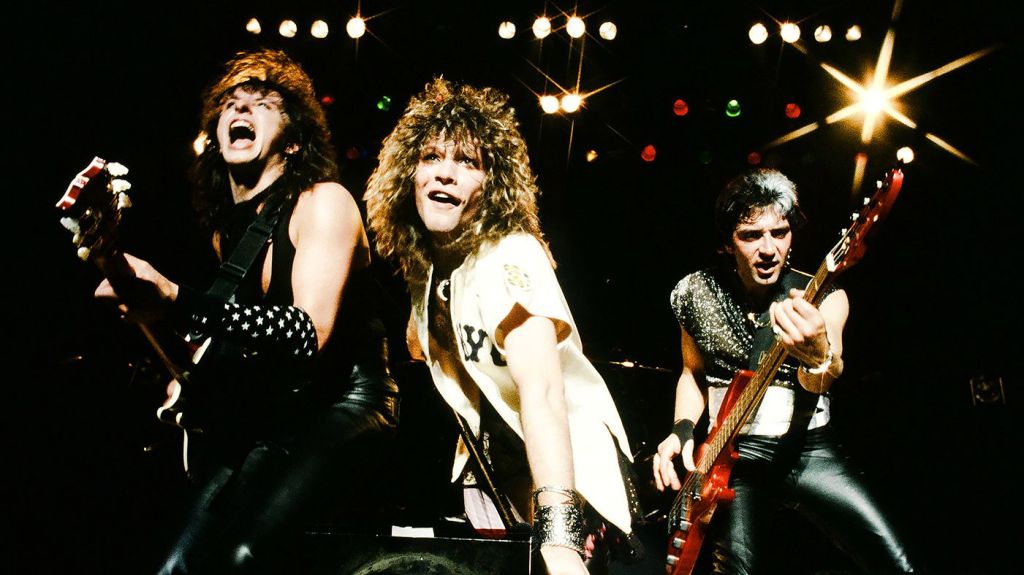
From the opening riff—Slash’s accidental warmup turned iconic melody—to Axl’s soaring vocals, this song is a thunderous love letter. Written for then-girlfriend Erin Everly (daughter of rock legend Don Everly), the relationship didn’t survive—but the song did. It’s a bulletproof ballad that turns sentiment into something seismic. Decades later, “Sweet Child” remains an anthem that proves even the sleaziest L.A. rockers had a soft spot, buried under layers of leather.
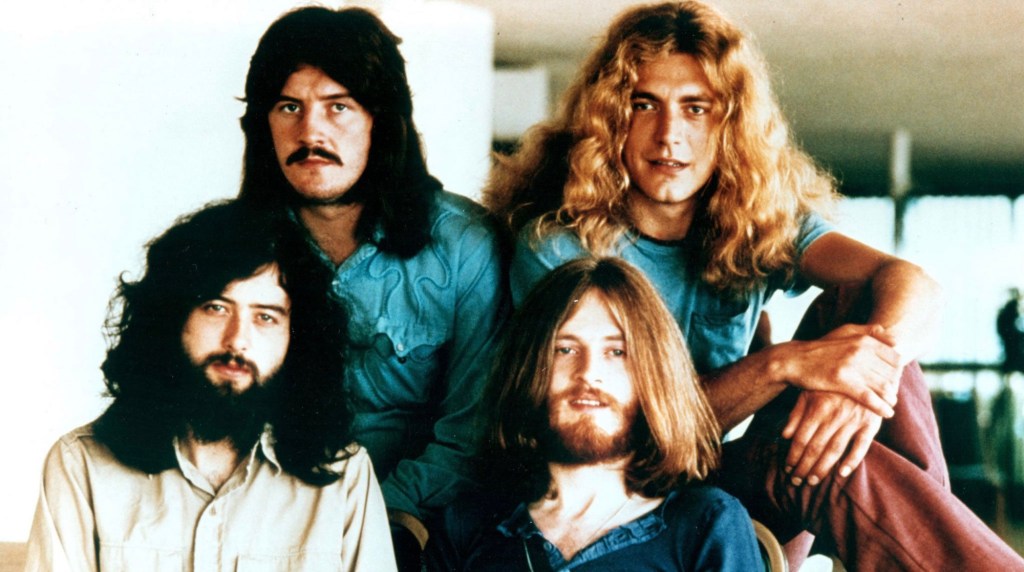
#2: ‘Stairway to Heaven’ – Led Zeppelin
Equal parts mythology and heartbreak, “Stairway to Heaven” is a slow climb into something transcendent. Robert Plant’s abstract storytelling meshes beautifully with Jimmy Page’s ascending arrangement—culminating in a solo that feels like a soul exiting the body. It’s spiritual, but not preachy. It’s heavy, but not weighed down.
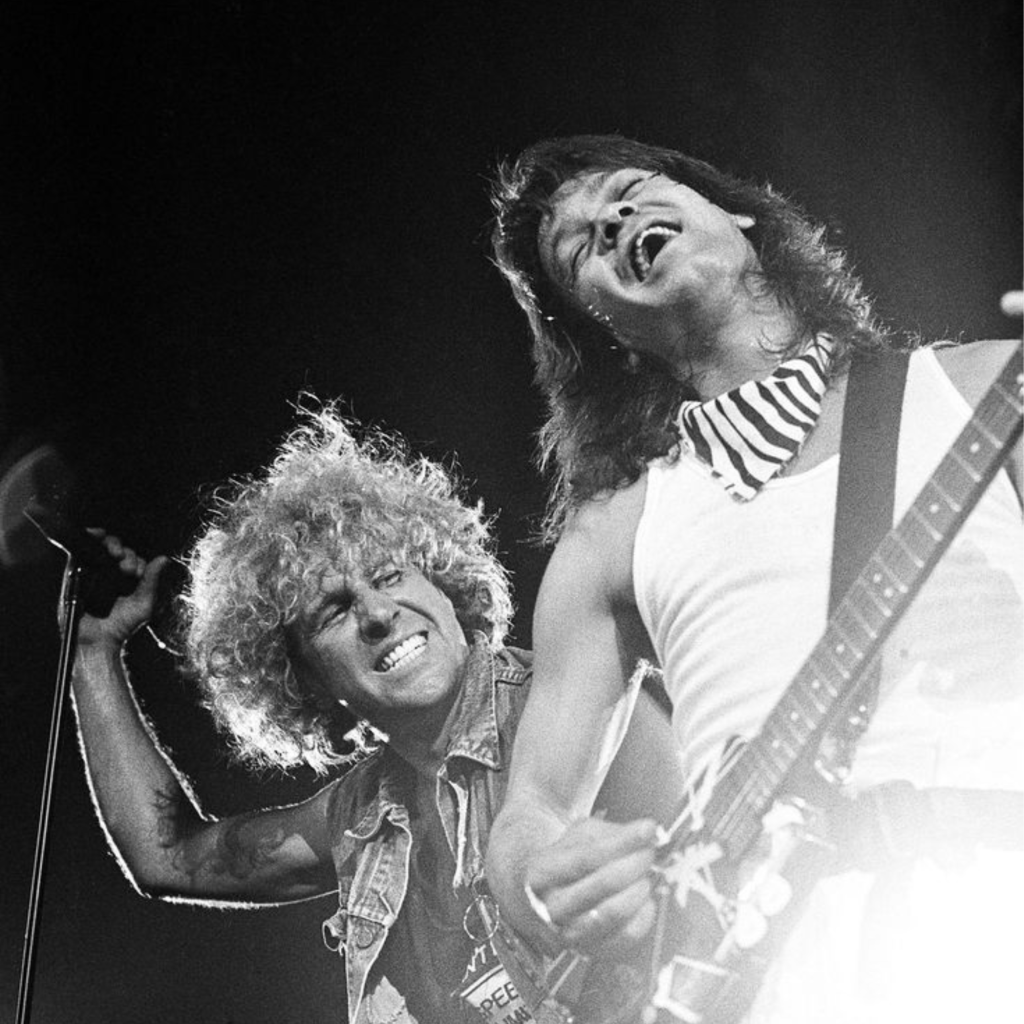
#3: ‘Right Now’ – Van Halen
Often overshadowed by the band’s party-hard image, “Right Now” is a bold, piano-driven anthem that trades booze and bravado for reflection and social urgency. Sammy Hagar called it “the most serious lyric I ever wrote”—and it shows. This track implores listeners to stop waiting and take action, set against one of Eddie Van Halen’s most emotional compositions. More than a song, it’s a call to live.
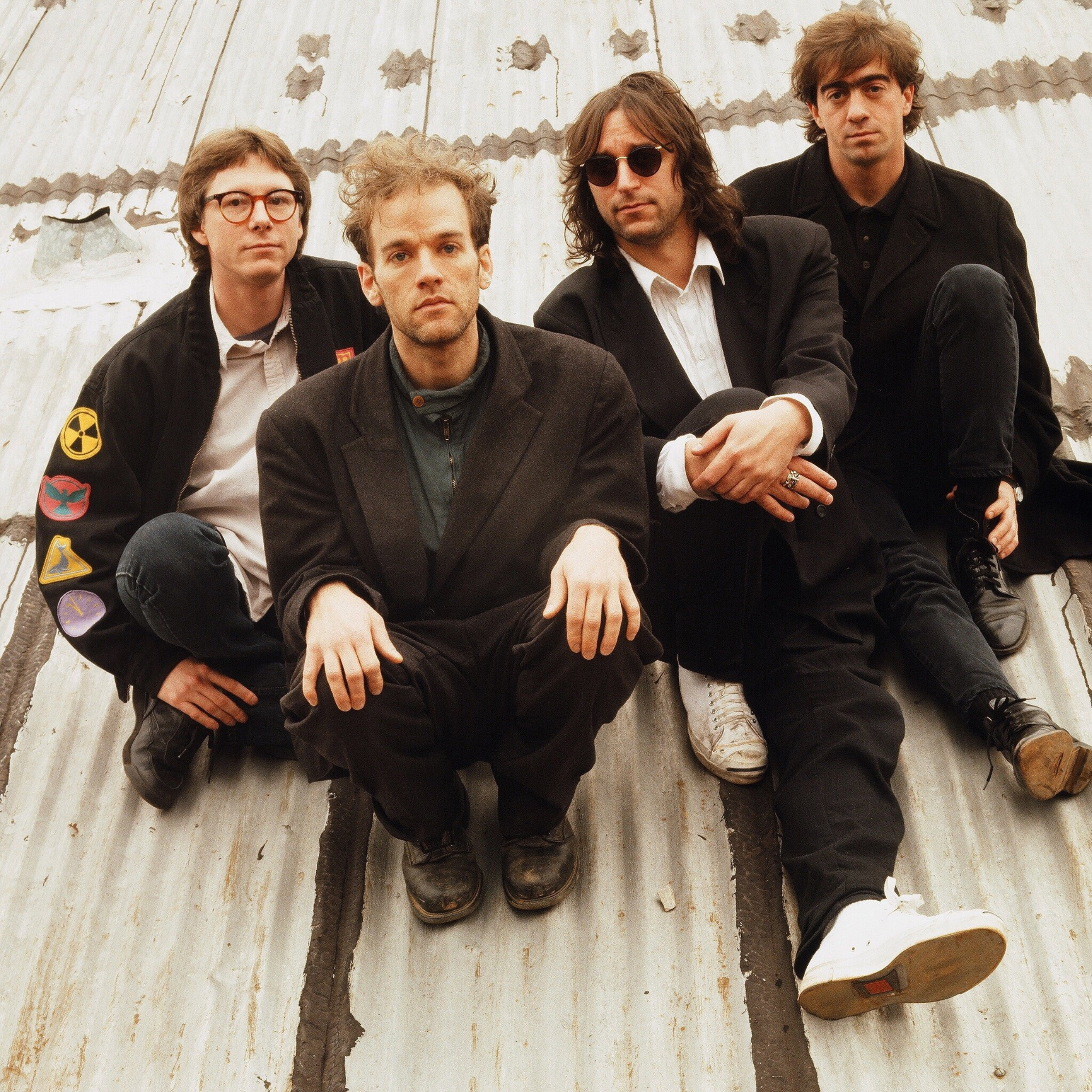
The searing “Everybody Hurts” is the ultimate comfort song for the quietly broken. Strings, restraint, and sheer humanity combine to create one of the most universally healing rock ballads ever recorded–and sung by what is unarguably one of our generation’s greatest and most emotive singers (Sorry, Axl.). Though often associated with singer-songwriter Michael Stipe’s own vulnerability, the lyrics were actually written by multi-talented drummer Bill Berry.
Stipe later admitted to subtly tweaking the phrasing so fans wouldn’t assume the pain was autobiographical—highlighting how deeply he cared about the song’s message reaching listeners, not circling back to him. It’s one of two heartbreakingly tender tracks Stipe helped shape on Automatic for the People—the other being “Nightswimming,” which he did write himself. Equally moving, “Nightswimming” trades direct sorrow for nostalgic ache, and together, the two songs form the emotional core of R.E.M.’s most soul-baring album.
#6: ‘Wasted Years’ – Iron Maiden
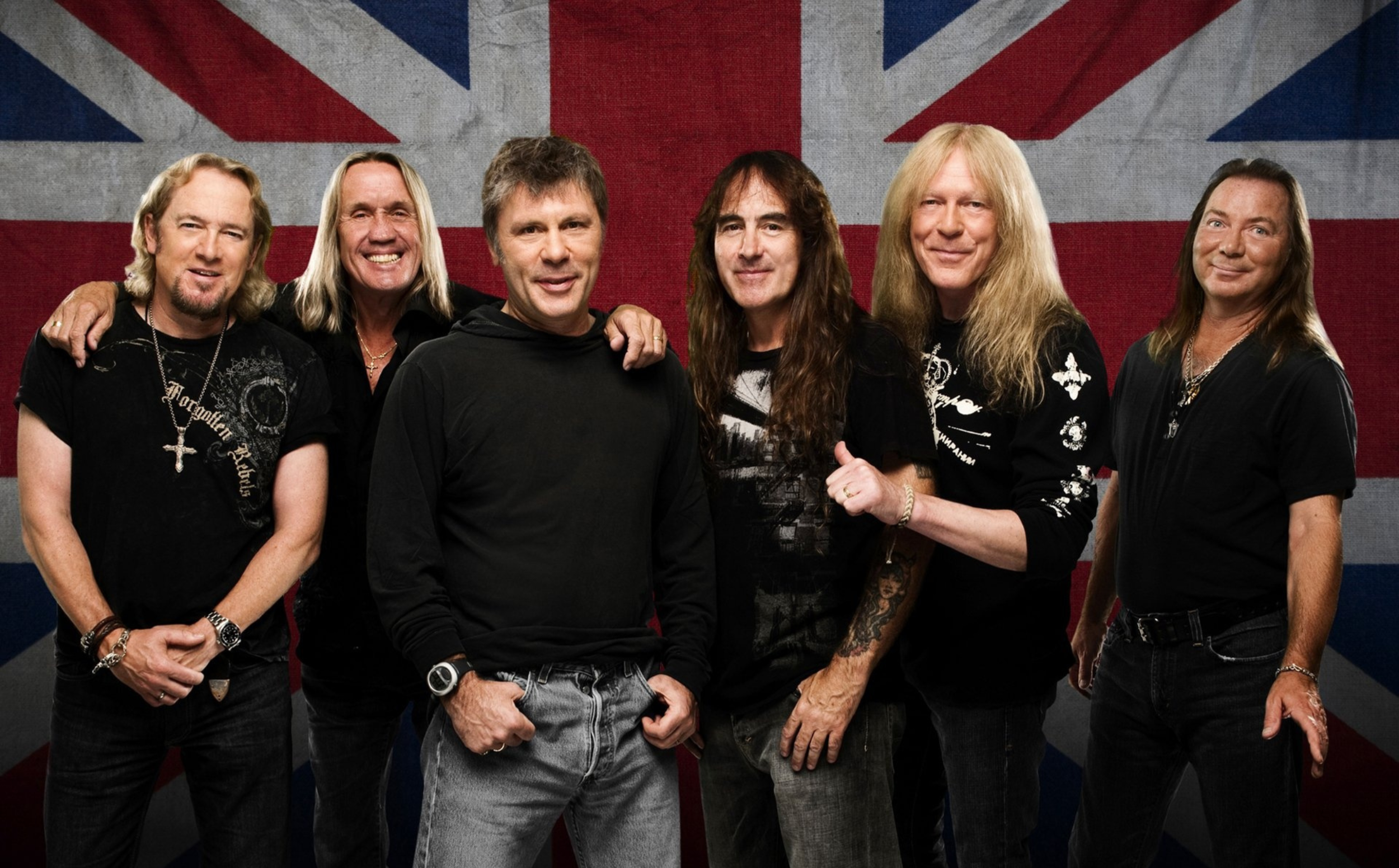
Yes, Maiden. Known for epic gallops and fantastic fantasy tales dipped in equal parts evil and energizing, but “Wasted Years” hits different. A rare Adrian Smith–penned introspective cut that reflects on time lost and life on the road. The song’s yearning chorus, Bruce Dickinson‘s raspy and powerful vocals, and twin-guitar harmonies remind us all to stop chasing time and enjoy the moment—metal with a message that even Eddie the Head would support.
Feeling like you’re going off the rails on a crazy train? Heavy metal anthems have been scientifically proven to do more than just make you wanna pump a fist in the air, they also elevate your well-being.
By Mac Davis Fleetwood
In the neon glow of the 1980s, Los Angeles’ Sunset Strip was the epicenter of a musical revolution. Bands like Mötley Crüe, Poison, and Ratt transformed the boulevard into a haven for heavy metal fans, delivering electrifying performances that celebrated excess, rebellion, and unbridled joy. Decades later, the feel-good anthems of these Sunset Strip bands and other iconic hard rockers continue to resonate, not just as nostalgic relics but as catalysts for happiness, health, and a positive outlook on life.
The Cathartic Power of Heavy Metal
Contrary to the stereotype of heavy metal as dark and aggressive, research indicates that the hard-rockin’ genre offers significant psychological benefits. A 2015 study titled “Extreme Metal Music and Anger Processing” revealed that listening to extreme metal can serve as a healthy way to process anger, providing listeners with a form of emotional release and catharsis. This aligns with the experiences of many fans who find empowerment in the music’s intensity.
Moreover, heavy metal’s thematic exploration of real-world challenges—such as disillusionment, isolation, and political and societal corruption—allows listeners to confront their own struggles and learn how to process complex emotions, leading to improved mental health. Playing or listening to music activates the brain’s cortex and cerebellum and, according to a 2008 report, also enhances cerebral plasticity in the brain, helping regenerate any damaged neurons.
Feel-Good Anthems and Positive Psychology
The anthems of Sunset Strip bands are particularly noteworthy for their upbeat tempos and celebratory lyrics, which often revolve around themes of freedom, overcoming challenges, and living life to the fullest. These elements contribute to the listener’s elevated mood and increased energy. Songs like Poison’s “Nothin’ But a Good Time” encapsulate this energy, encouraging a carefree attitude that can alleviate stress and promote happiness.
Psychologically, engaging with music that embodies positivity and rebellion against societal constraints can inspire listeners to adopt a more optimistic and liberated outlook. This phenomenon is supported by studies showing that music with uplifting messages can enhance mood and encourage a more positive perspective on life.
We Built this City on Rock ‘n Roll
Heavy metal music is more than just a genre—it’s a deeply rooted subculture that offers significant psychological benefits. While its thunderous riffs and aggressive rhythms may seem intimidating to outsiders, many fans describe the heavy metal community as a welcoming and supportive family, united by shared musical tastes.
The heavy metal scene fosters a unique culture where shared values, rituals, and experiences—like attending concerts, collecting albums, or engaging in online forums—create powerful social bonds. This communal connection is more than casual friendship; it’s a network that provides emotional support and combats loneliness, both of which are essential for mental well-being.
Interestingly, research highlights that these communal experiences can have significant psychological benefits. For instance, a 2011 study published in the Journals of Youth and Adolescence found that participation in music subcultures, like heavy metal, can enhance social connectedness and provide a buffer against feelings of isolation. Similarly, findings from the Australian Psychological Society suggest that listening to heavy metal can help listeners process emotions like anger and sadness in healthy ways, reducing stress and promoting emotional release.
Moreover, heavy metal culture is known for its inclusivity—welcoming anyone who embraces the genre’s codes of authenticity and shared identity. This fosters a space where individuals can express themselves freely, forging deep and lasting interpersonal connections.







 SUNSETandCLARK.blog