
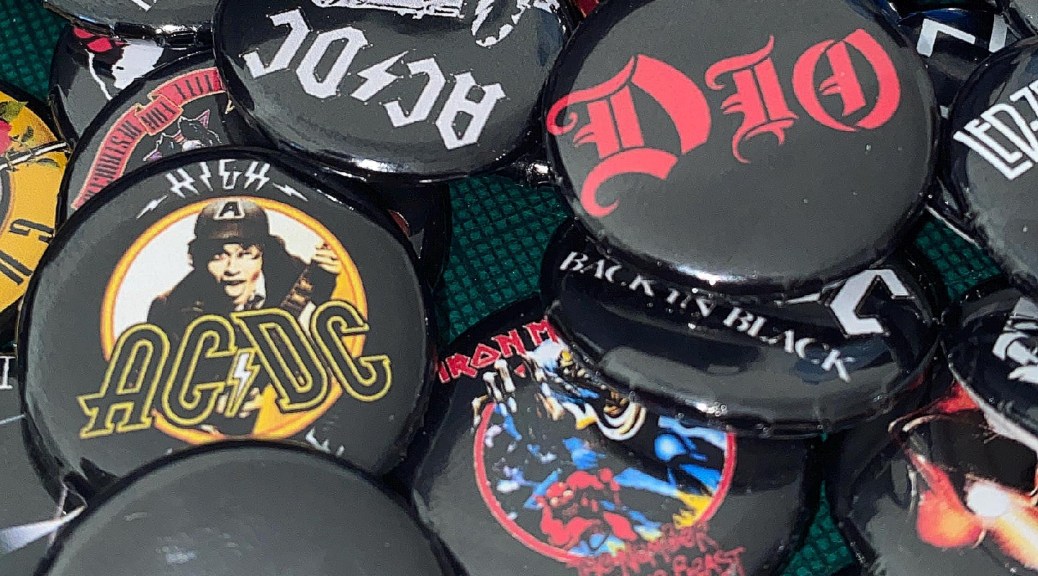
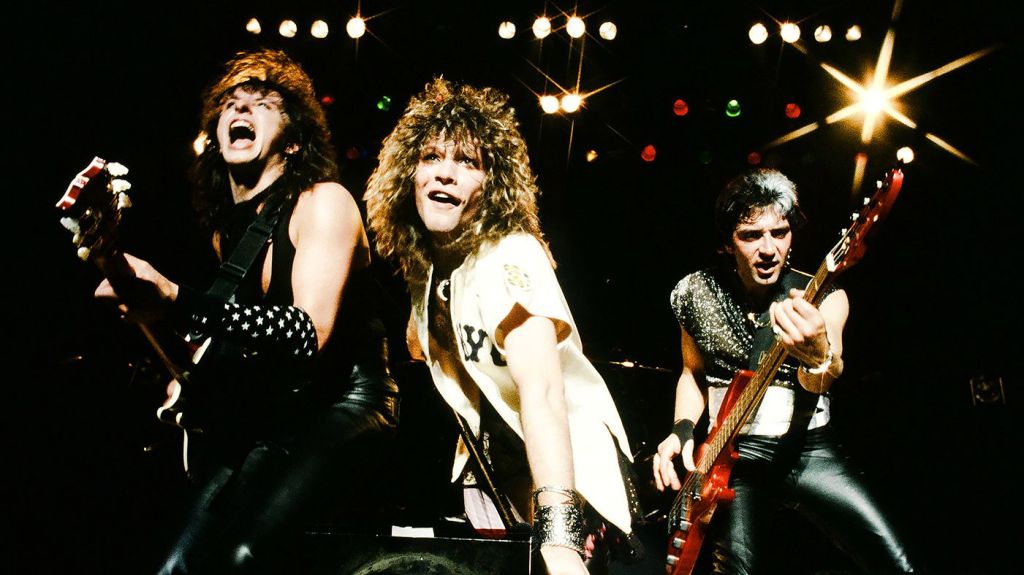
Feeling like you’re going off the rails on a crazy train? Heavy metal anthems have been scientifically proven to do more than just make you wanna pump a fist in the air, they also elevate your well-being.
By Mac Davis Fleetwood
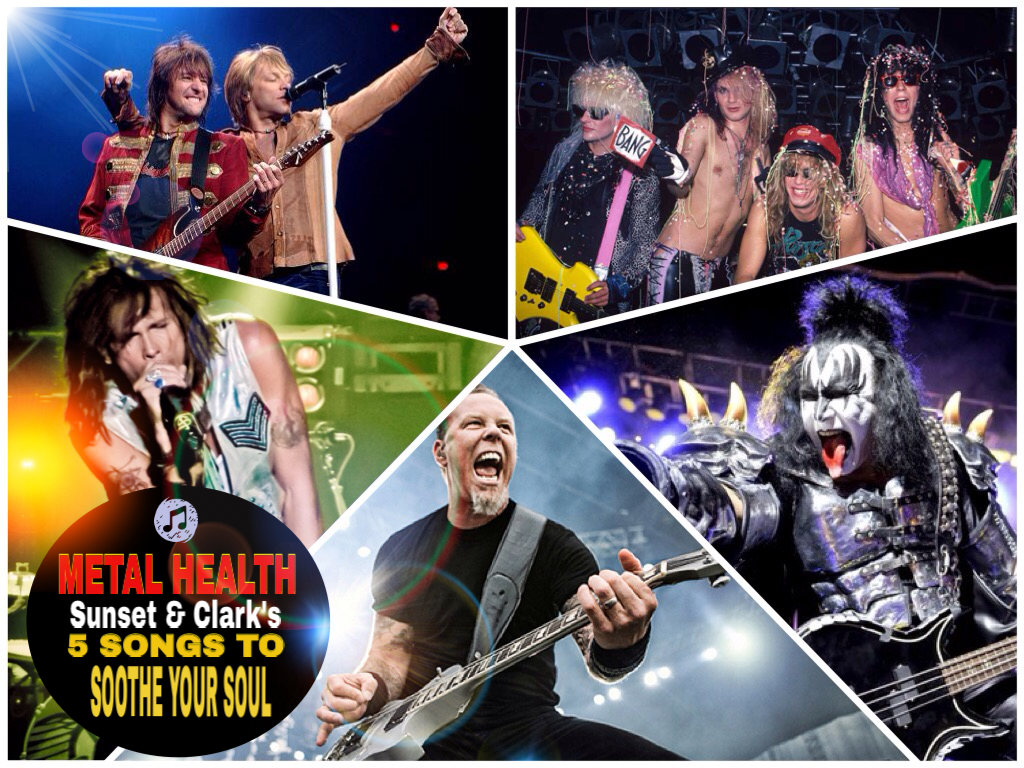
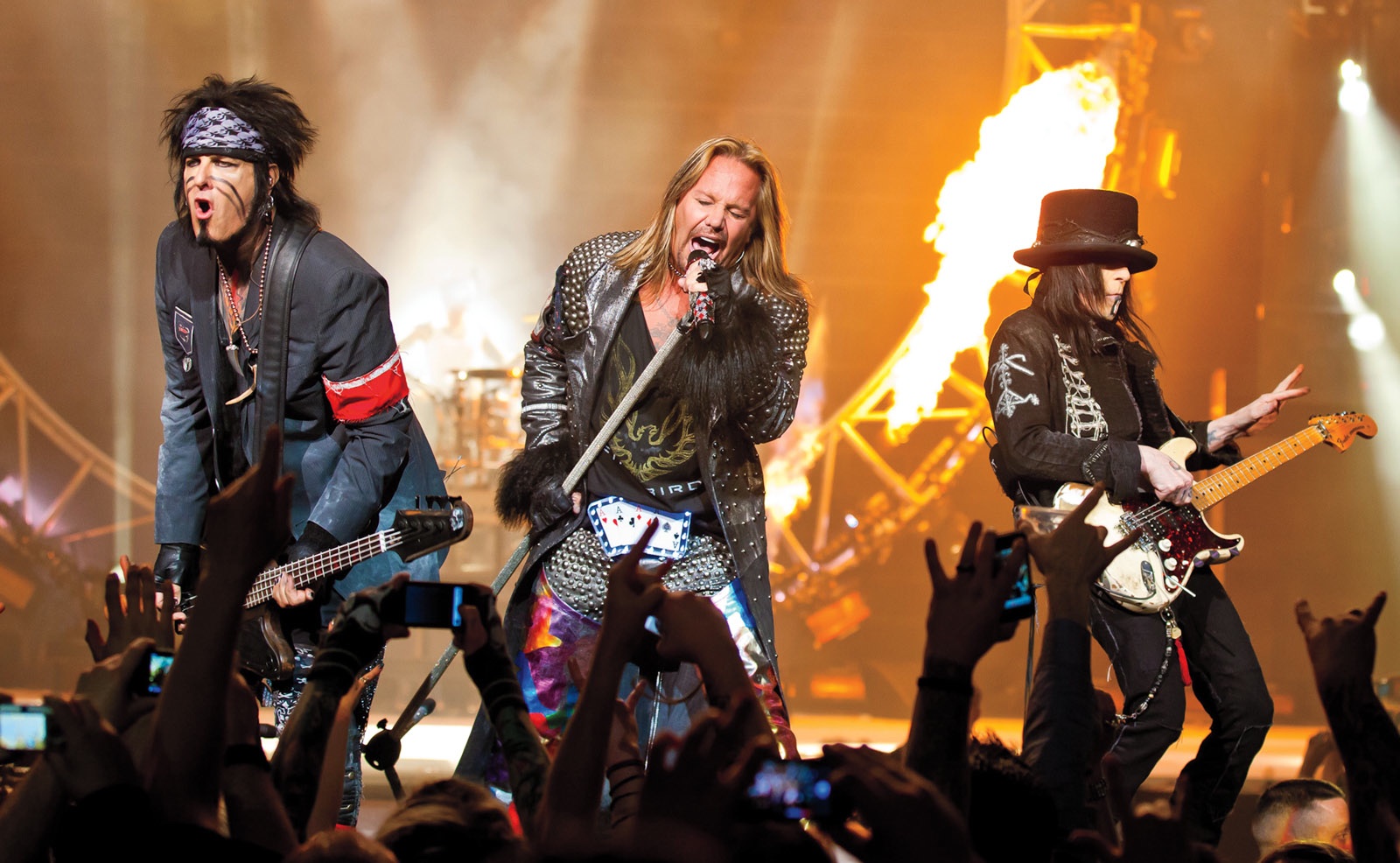
In the neon glow of the 1980s, Los Angeles’ Sunset Strip was the epicenter of a musical revolution. Bands like Mötley Crüe, Poison, and Ratt transformed the boulevard into a haven for heavy metal fans, delivering electrifying performances that celebrated excess, rebellion, and unbridled joy. Decades later, the feel-good anthems of these Sunset Strip bands and other iconic hard rockers continue to resonate, not just as nostalgic relics but as catalysts for happiness, health, and a positive outlook on life.
The Cathartic Power of Heavy Metal

Contrary to the stereotype of heavy metal as dark and aggressive, research indicates that the hard-rockin’ genre offers significant psychological benefits. A 2015 study titled “Extreme Metal Music and Anger Processing” revealed that listening to extreme metal can serve as a healthy way to process anger, providing listeners with a form of emotional release and catharsis. This aligns with the experiences of many fans who find empowerment in the music’s intensity.
Moreover, heavy metal’s thematic exploration of real-world challenges—such as disillusionment, isolation, and political and societal corruption—allows listeners to confront their own struggles and learn how to process complex emotions, leading to improved mental health. Playing or listening to music activates the brain’s cortex and cerebellum and, according to a 2008 report, also enhances cerebral plasticity in the brain, helping regenerate any damaged neurons.
Feel-Good Anthems and Positive Psychology
The anthems of Sunset Strip bands are particularly noteworthy for their upbeat tempos and celebratory lyrics, which often revolve around themes of freedom, overcoming challenges, and living life to the fullest. These elements contribute to the listener’s elevated mood and increased energy. Songs like Poison’s “Nothin’ But a Good Time” encapsulate this energy, encouraging a carefree attitude that can alleviate stress and promote happiness.
Psychologically, engaging with music that embodies positivity and rebellion against societal constraints can inspire listeners to adopt a more optimistic and liberated outlook. This phenomenon is supported by studies showing that music with uplifting messages can enhance mood and encourage a more positive perspective on life.
We Built this City on Rock ‘n Roll

Heavy metal music is more than just a genre—it’s a deeply rooted subculture that offers significant psychological benefits. While its thunderous riffs and aggressive rhythms may seem intimidating to outsiders, many fans describe the heavy metal community as a welcoming and supportive family, united by shared musical tastes.
The heavy metal scene fosters a unique culture where shared values, rituals, and experiences—like attending concerts, collecting albums, or engaging in online forums—create powerful social bonds. This communal connection is more than casual friendship; it’s a network that provides emotional support and combats loneliness, both of which are essential for mental well-being.

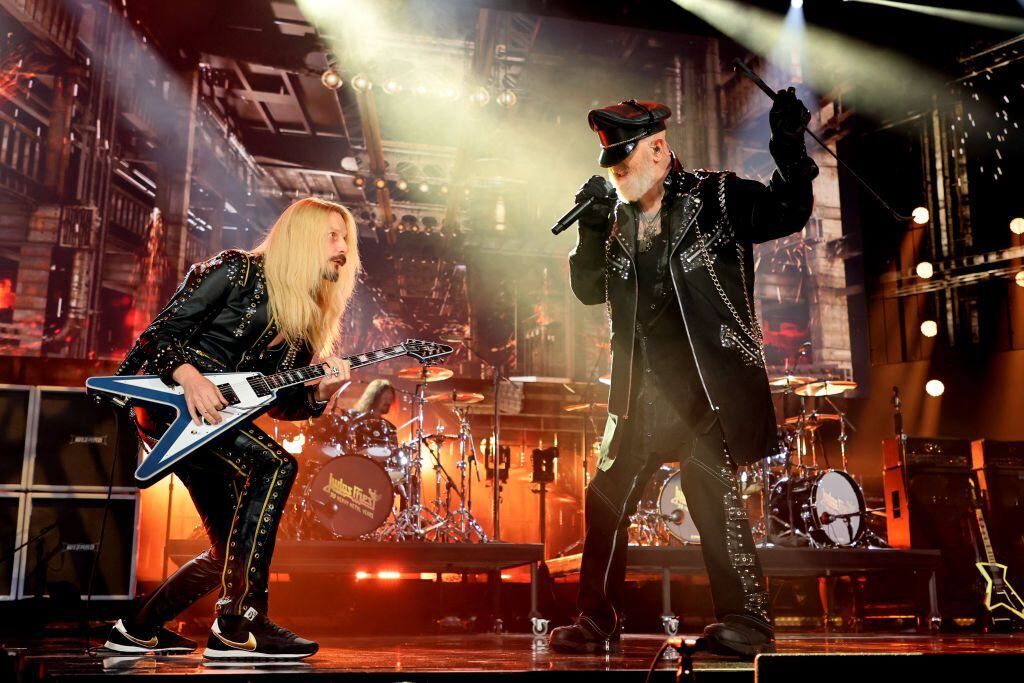

Interestingly, research highlights that these communal experiences can have significant psychological benefits. For instance, a 2011 study published in the Journals of Youth and Adolescence found that participation in music subcultures, like heavy metal, can enhance social connectedness and provide a buffer against feelings of isolation. Similarly, findings from the Australian Psychological Society suggest that listening to heavy metal can help listeners process emotions like anger and sadness in healthy ways, reducing stress and promoting emotional release.
Moreover, heavy metal culture is known for its inclusivity—welcoming anyone who embraces the genre’s codes of authenticity and shared identity. This fosters a space where individuals can express themselves freely, forging deep and lasting interpersonal connections.
Continue reading RAD MEDICINE
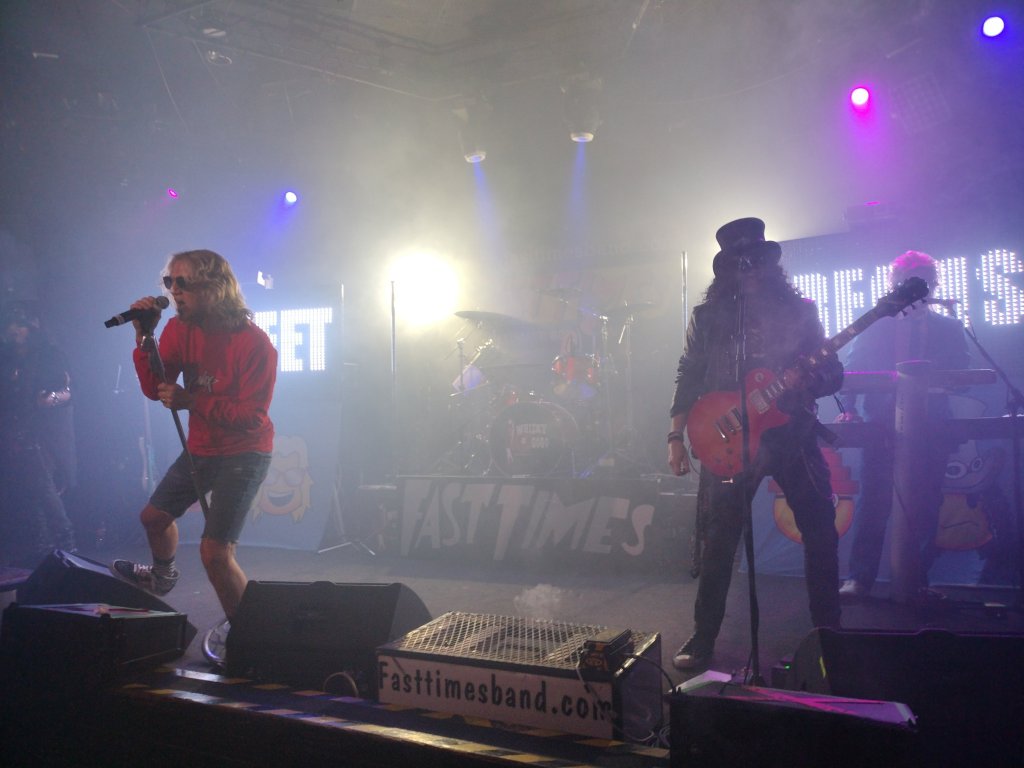


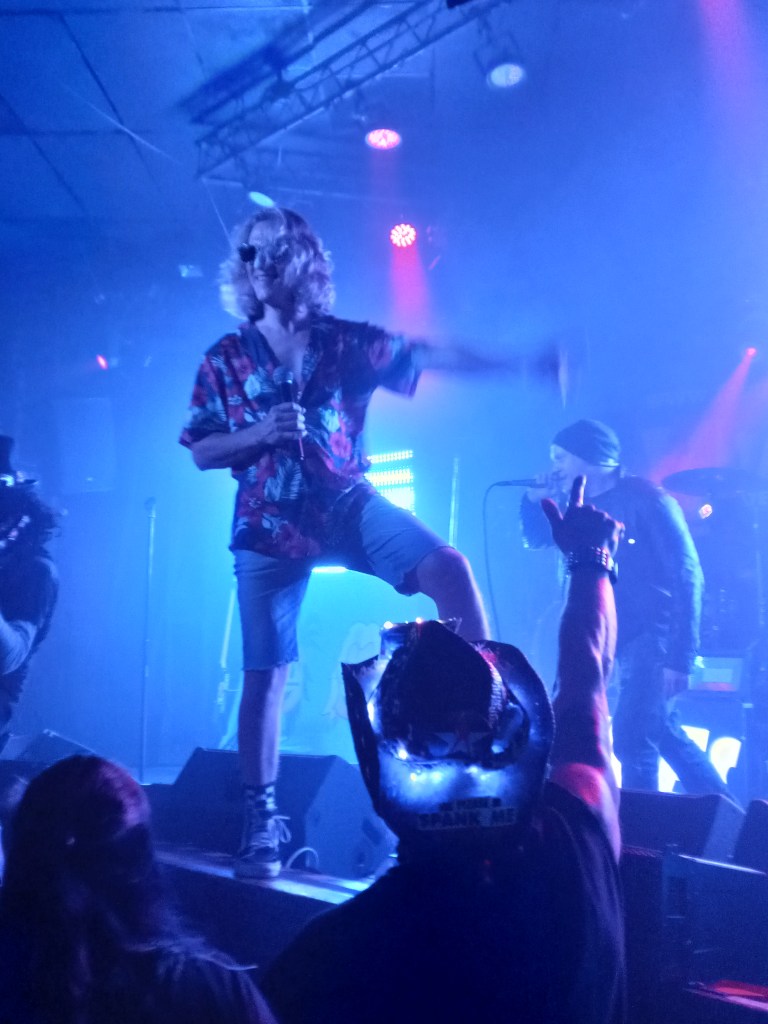

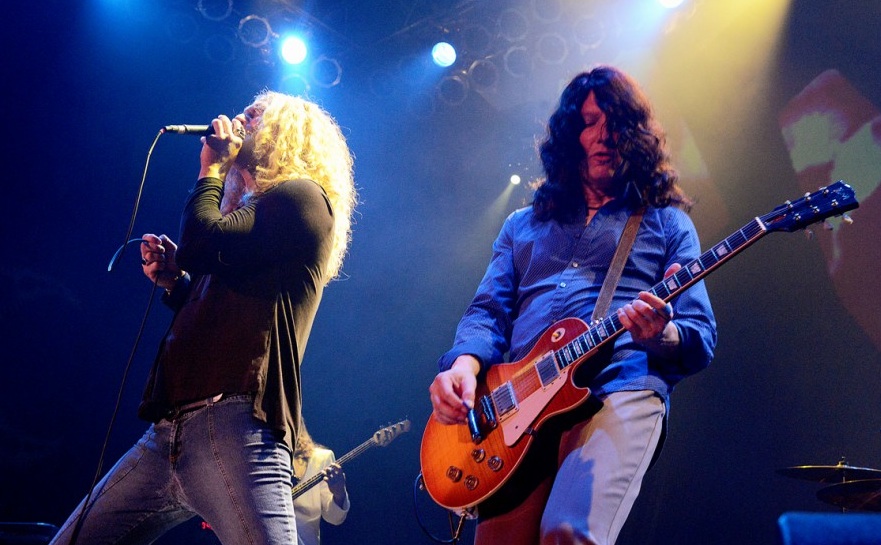
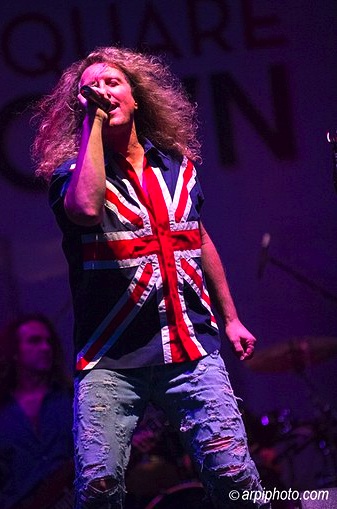
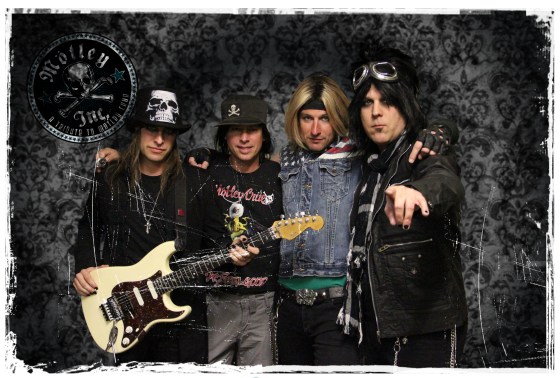 On September 12, a hard rocking trio of cover bands paying homage to three of the biggest rock groups in history–Van Halen, Bon Jovi and Motley Crue–will set their amps to 11 and rattle the roof of



 SUNSETandCLARK.blog