
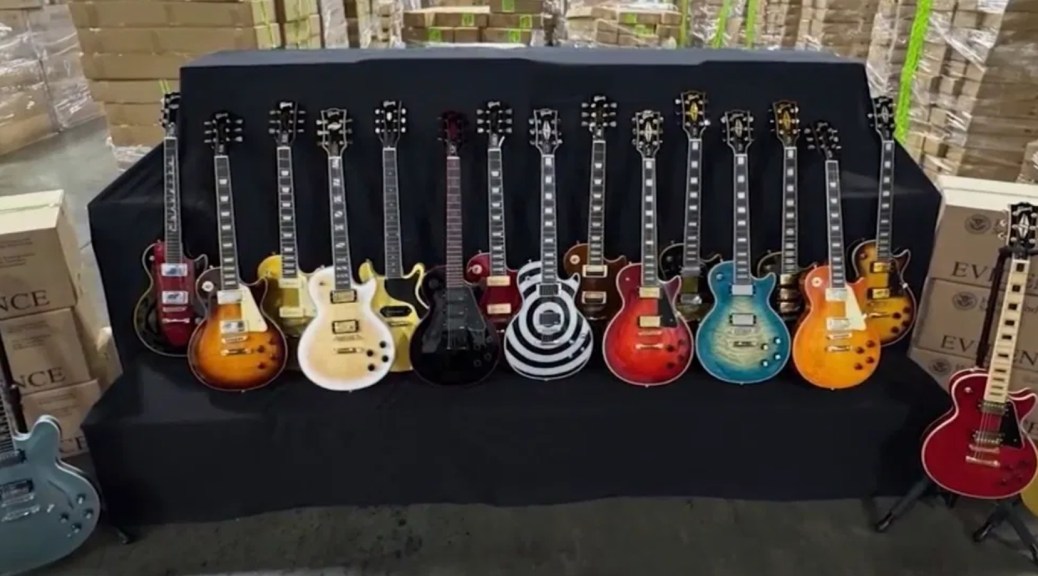

$18 million in counterfeit Gibson Guitars seized at L.A. Port.
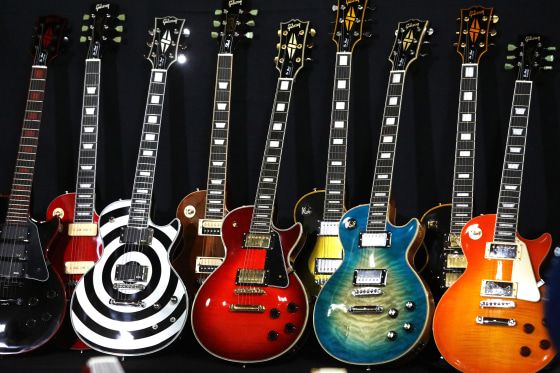
Good news, L.A. rockers: If you’re hoping to find a Gibson under the tree this year, there’s a better chance it’ll be the real deal. U.S. Customs and Border Protection (CBP) just intercepted more than 3,000 fake Gibson guitars at the Los Angeles-Long Beach Seaport, stopping a wave of counterfeit Les Pauls, SGs, and Flying Vs from shredding their way into the market.
Had these knockoffs been legit, they’d have been worth a jaw-dropping $18 million—enough to make even the most diehard gearheads choke on their coffee. Instead, they’re about as real as Milli Vanilli’s vocals. Gibson, the Nashville-based guitar titan, confirmed the instruments were frauds, and CBP wasn’t about to let them slip through their hands.

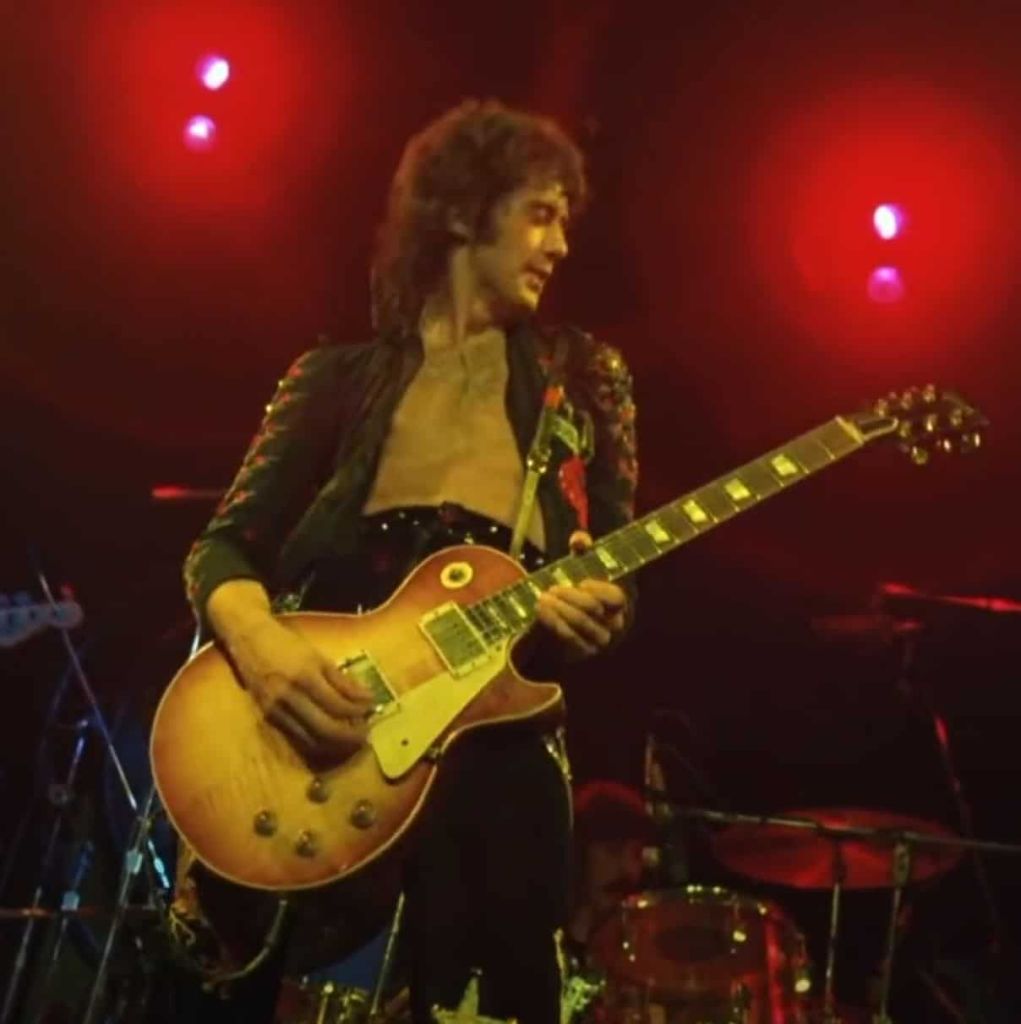
For over a century, Gibson guitars have been the six-string Excalibur for rock legends. Think Jimmy Page conjuring the “Stairway to Heaven” solo, Angus Young duck-walking his way through “Back in Black,” and B.B. King sweet-talking “Lucille” into blues immortality. These aren’t just instruments—they’re sacred relics of rock’s pantheon. So, yeah, seeing a fake Gibson is like finding out that your cherished first-pressing of Appetite for Destruction that you bought on eBay is really just a laser-printed knock-off.
CBP’s Cheryl M. Davies delivered a PSA for anyone trolling online deals or back-alley sales this holiday season: “If it’s too good to be true, it probably is.” That “Gibsun” you found on a sketchy website for half the price? Probably better suited as a wall decoration than a stage companion.
And while Gibson guitars are painstakingly handcrafted by artisans in Nashville and Bozeman, Montana, these counterfeits likely rolled off an assembly line in some faraway factory where “attention to detail” wasn’t part of the training. But hey, they might have made great kindling for a campfire jam.
Beth Heidt, Gibson’s chief marketing officer, didn’t mince words: “This is personal. It’s about protecting our players and honoring the generations of American families who pour their hearts into crafting these instruments.” Somewhere up above the clouds, Randy Rhoads likely just gave a silent nod of approval and went back to perfecting another masterpiece.

CBP hasn’t spilled the details about when the guitars were seized, which country they came from, or who orchestrated this six-string scam. But with Homeland Security and the L.A. County Sheriff’s Department involved, you can bet someone’s holiday plans now involve less eggnog and more legal defense. Violating intellectual property law can net a $250,000 fine and up to 10 years in prison—a sentence long enough to learn how to play a real guitar.
So, rockers, rest easy knowing that Gibson’s legacy—and your holiday wishlist—is safe. Let the counterfeits stay where they belong: in the trash. Now, go plug in, turn up, and play like Santa’s watching. Rock and roll isn’t dead—it’s just dodging the fakes.

 SUNSETandCLARK.blog